In short: the sensor itself is only part of the price. Compare the detector and scintillator, the warranty, what software and installation are included, and what repairs cost. A complete quote answers all of these.
What you are paying for
The detector and scintillator
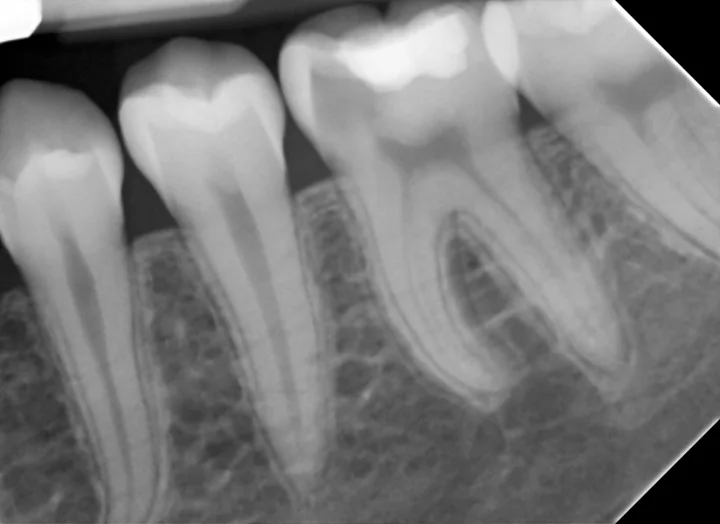
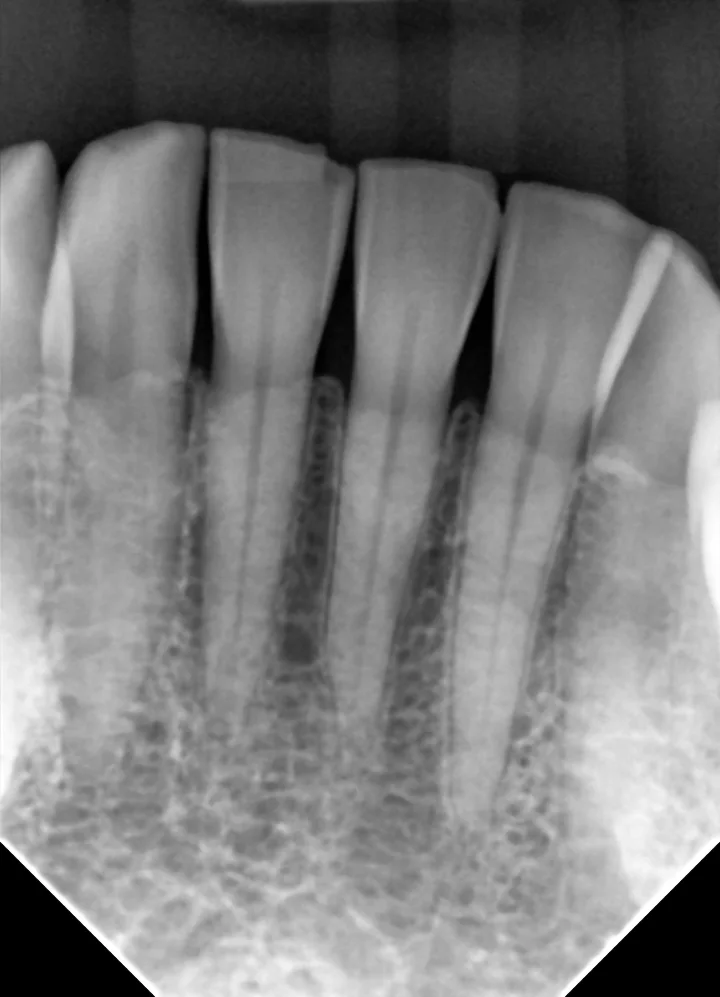
The CMOS detector and the scintillator layer on top of it set the image quality. A caesium iodide (CsI) scintillator grown directly on the detector gives sharper images than cheaper alternatives. iSuni sensors use CsI and resolve 20 lp/mm measured (25 lp/mm theoretical).
The size
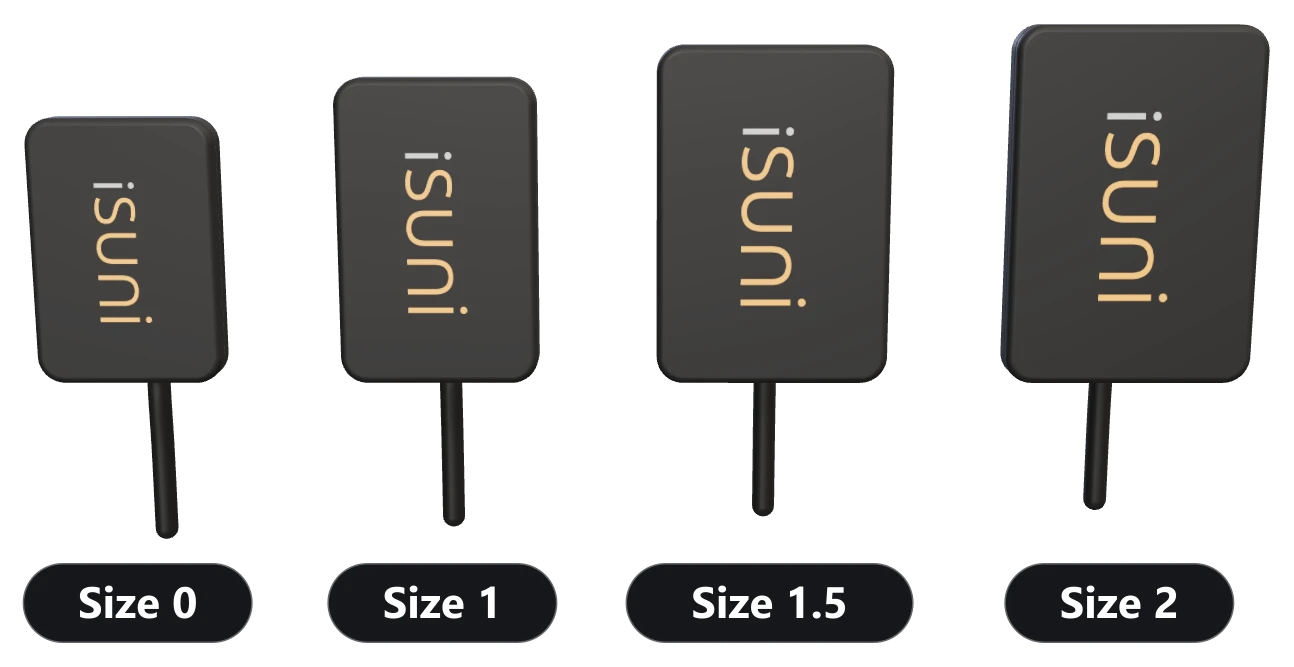
Larger sensors cost more to make. Most clinics need two sizes, not four; see how to choose a sensor size.
Build quality
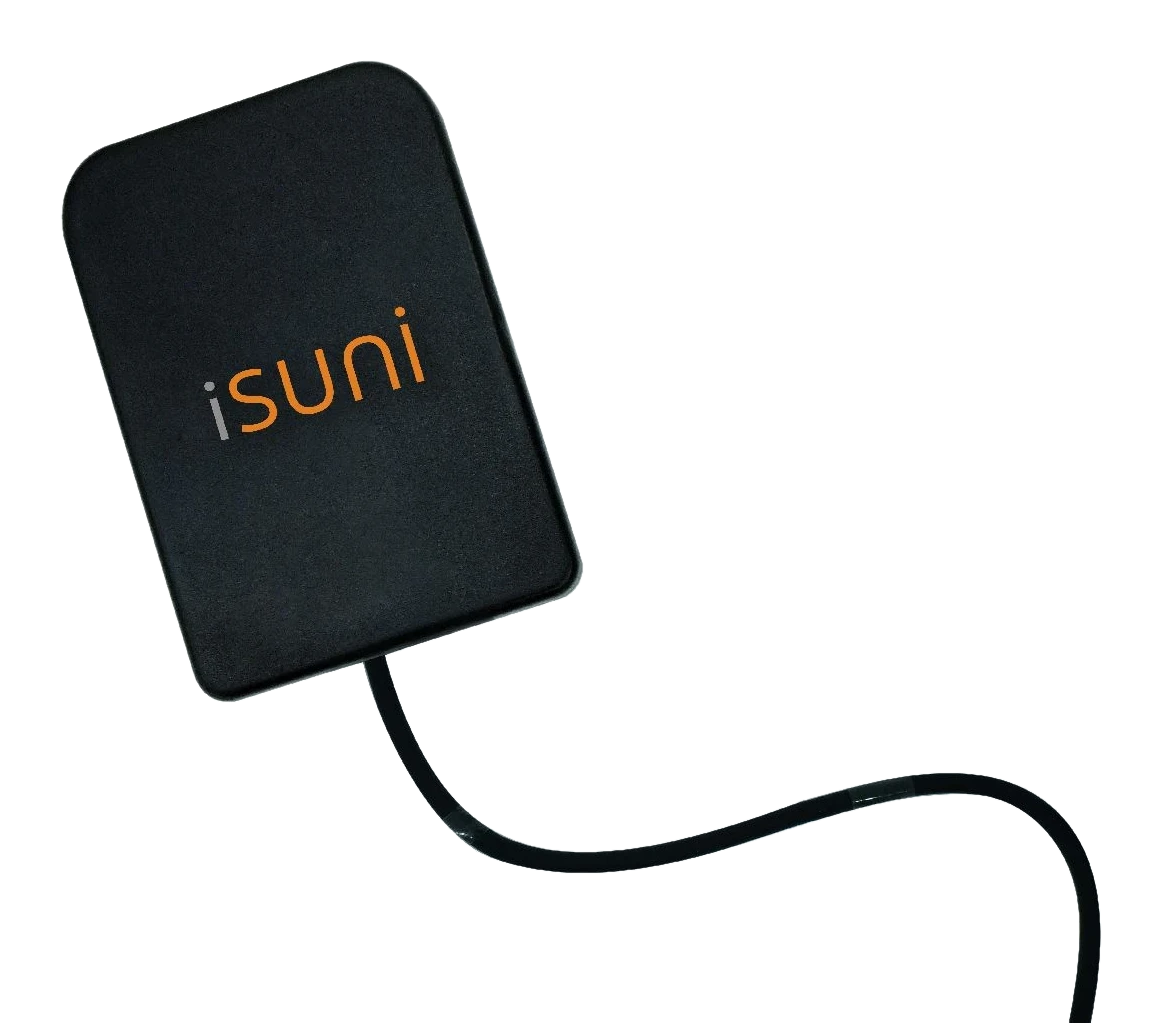
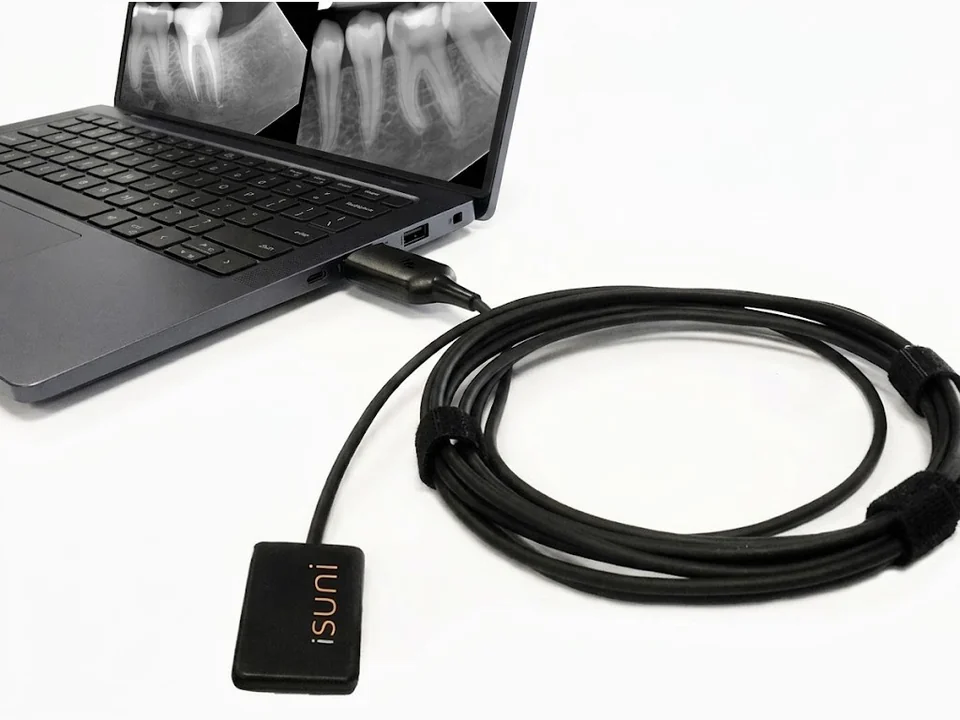
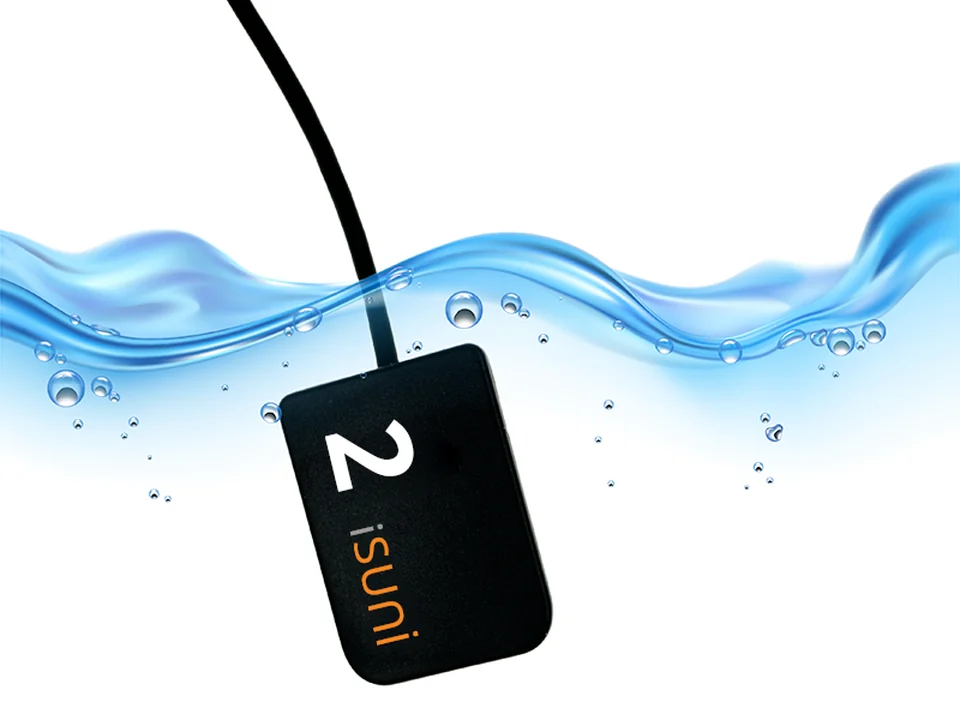
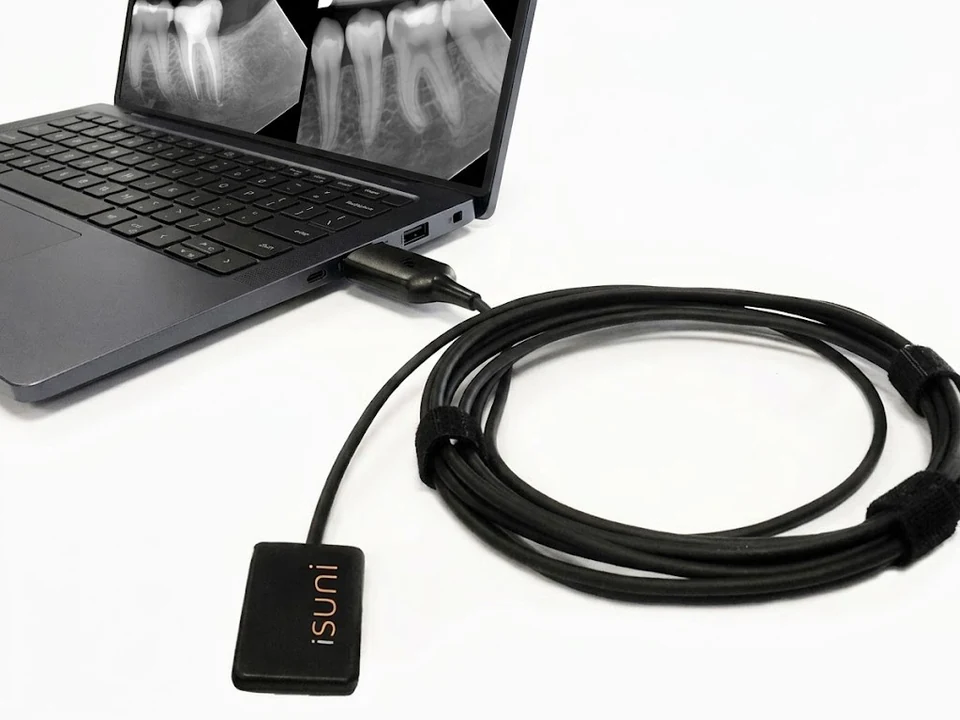
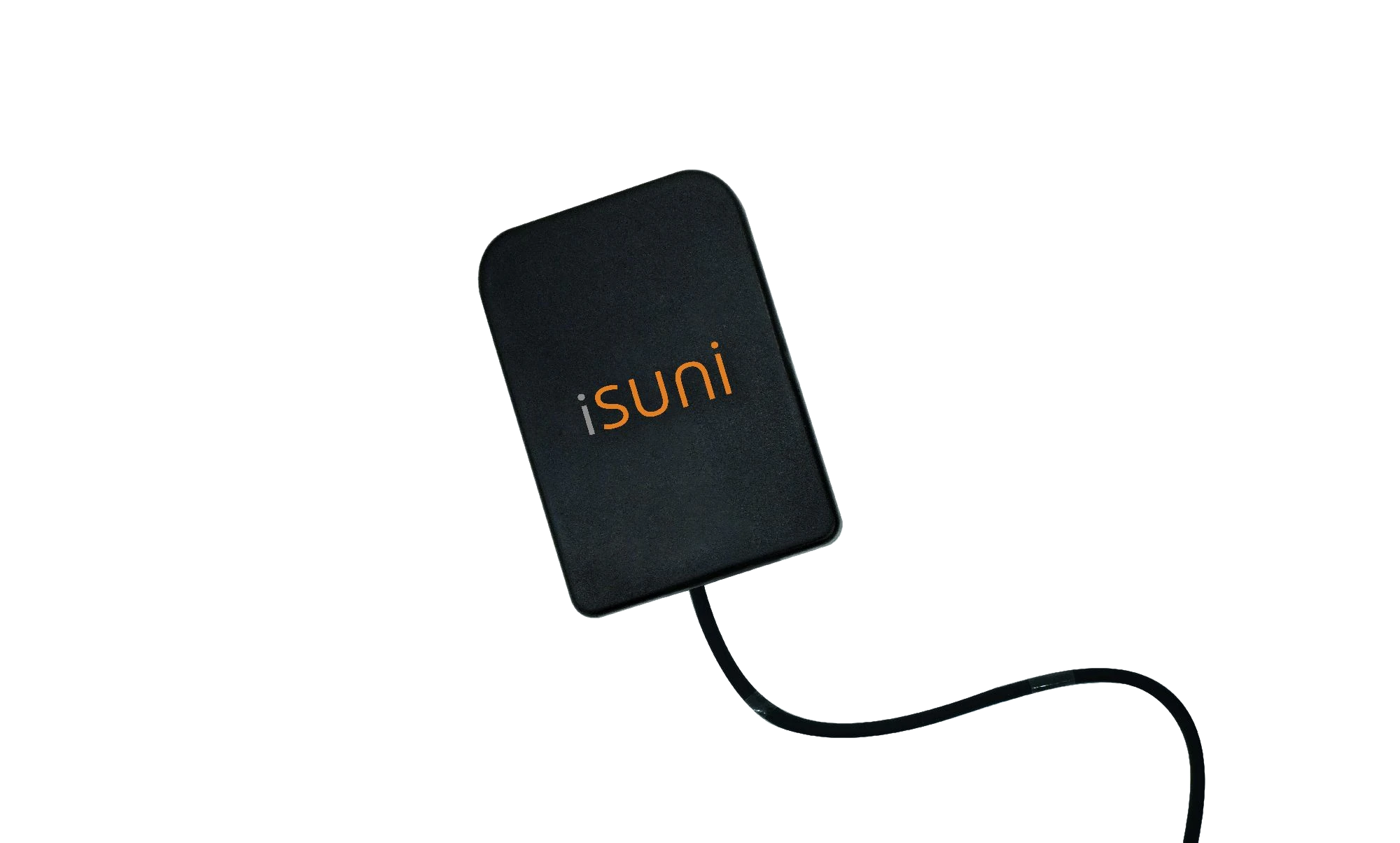
A reinforced cable, a sealed head and a plug without a separate box along the cable add cost, and save far more in repairs. The iSuni cable is 3 m, reinforced and pull-tested to 100 N; the head and cable are sealed to IP67.
What often isn’t in the sticker price
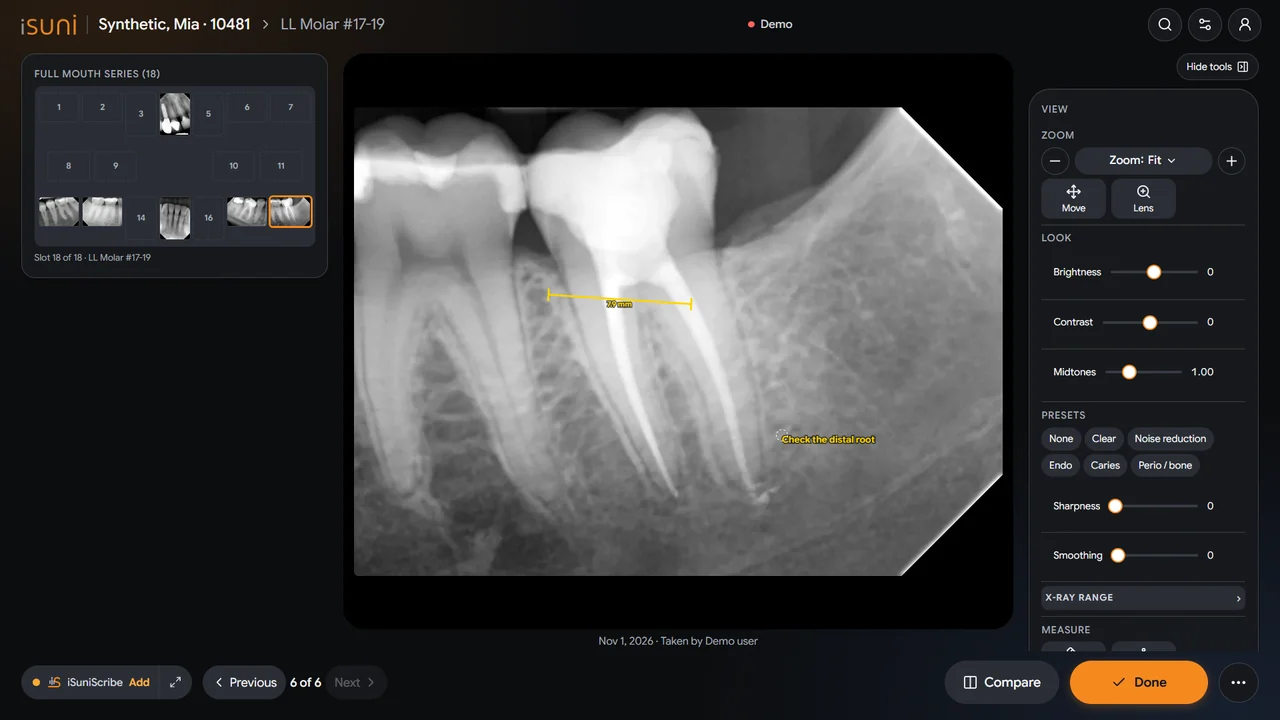
- Software: some sensors need a paid imaging program or a driver licence for each computer. The iSuni TWAIN driver works with the imaging software you already use.
- Installation and training: ask whether setup is included and who does it. With iSuni, you can set it up yourself, and each qualifying purchase includes one free remote installation session: a trained iSuni technician installs it on up to six computers and makes sure it works with everything you need.
- Support: ask how you get help and what it costs after installation.
- Warranty and repairs: a longer warranty is worth real money, because a cable or sensor replacement is the biggest surprise cost. iSuni sensors carry 24 months.
- Accessories: positioners and barrier sleeves sized for your sensors.
How to compare quotes fairly
- Ask every supplier for the same sizes and number of sensors.
- List what each quote includes: software, installation, training, warranty length and support.
- Ask what an out-of-warranty cable or sensor repair costs.
- Ask whether you can return the sensor if it doesn’t suit your clinic.
Premium sensors, priced for independent clinics.
An iSuni quote includes the sensor, its driver and calibration, one free remote installation session with a trained iSuni technician (up to six computers), a 24-month warranty and 14 days to try it with a money-back guarantee. Ask for a quote.