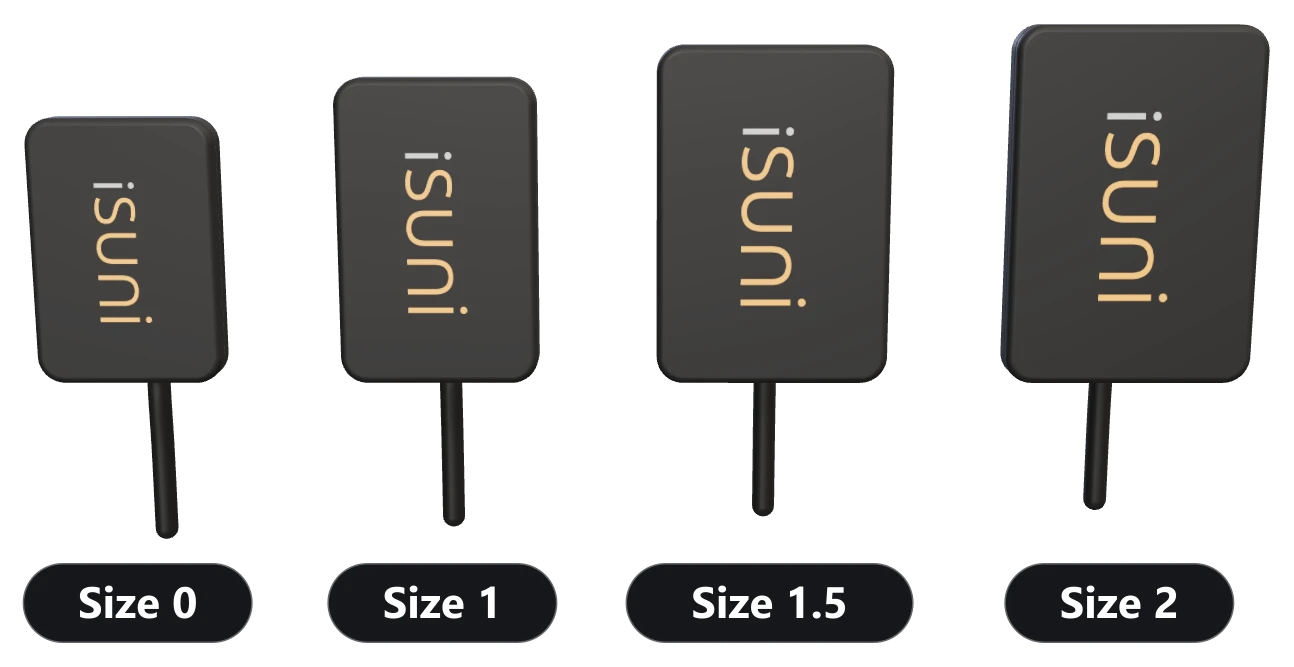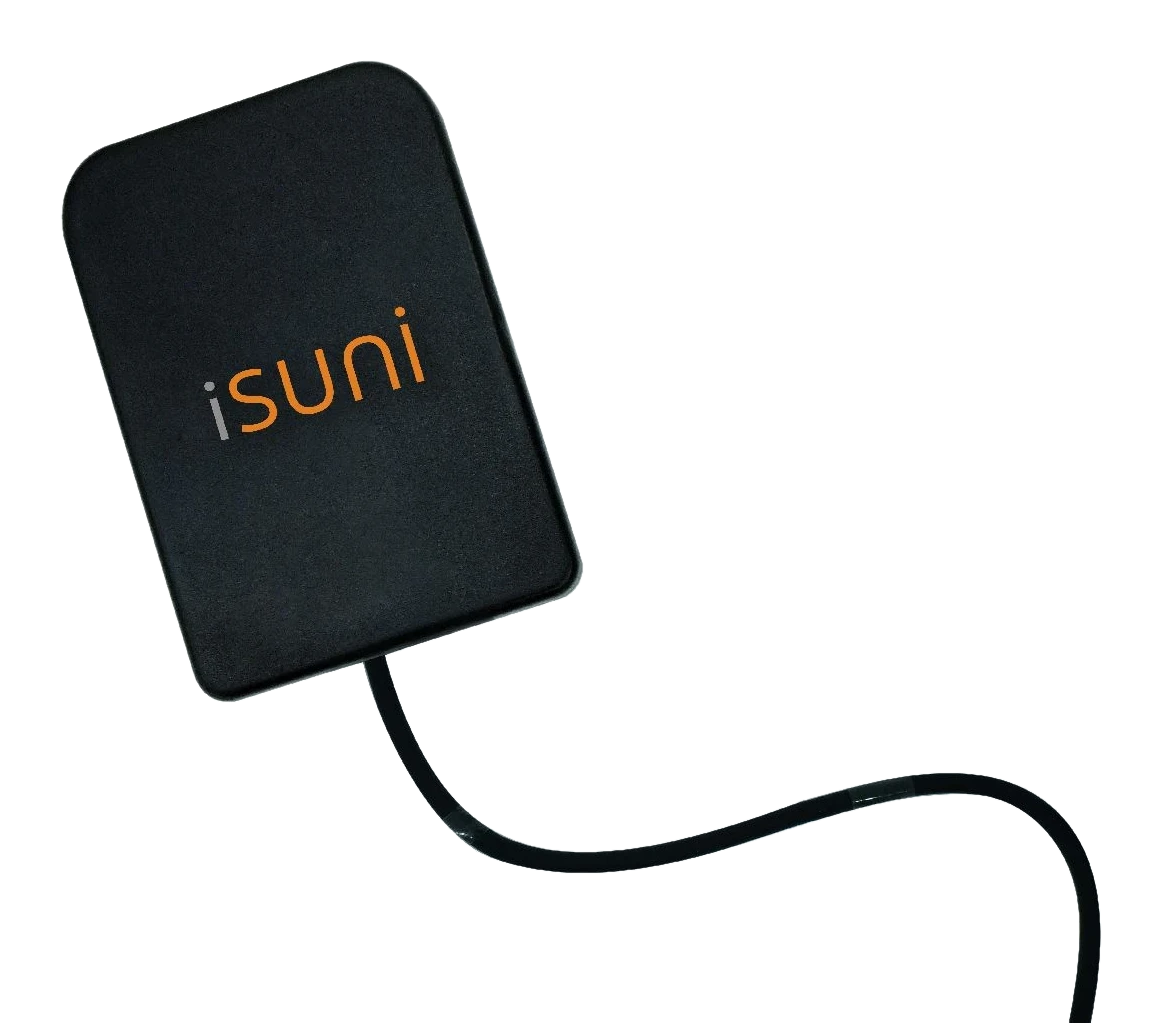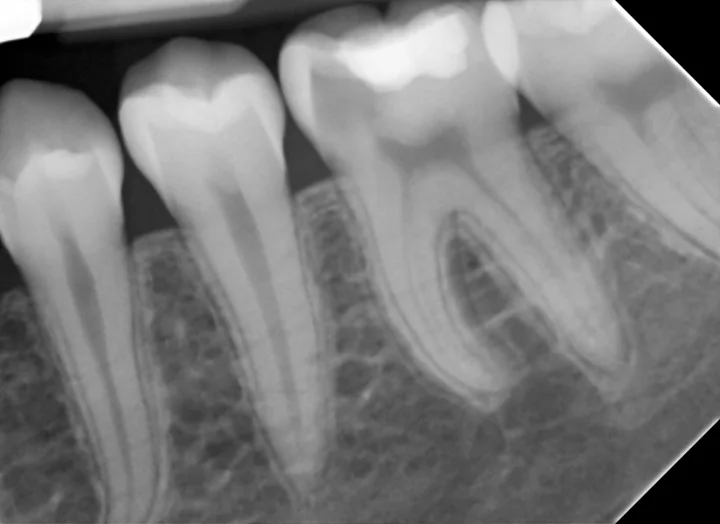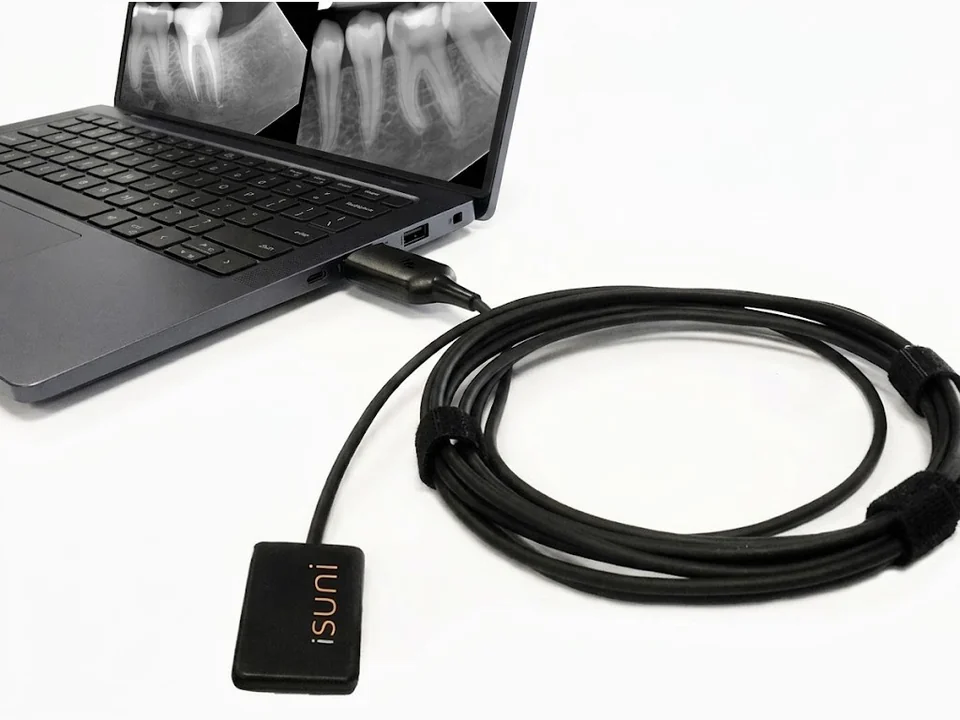
In short: a well-handled sensor serves a clinic for many years. Most early failures come from cable strain, bites, drops and liquid reaching the USB plug, and all of them are avoidable.
What shortens a sensor’s life
- Cable strain. Pulling the sensor out by its cable, wrapping it tightly, kinking it at the plug or rolling a chair over it.
- Bites and drops. A patient biting down on the sensor, or a sensor dropped on a hard floor.
- Liquid in the plug. Disinfectant wipes used on the USB plug can wick into it and corrode the contacts.
- The wrong cleaning. Soaking, autoclaving or heat-sterilizing a sensor damages it.
Habits that add years
- Hold the sensor by its housing or holder, never by the cable.
- Coil the cable loosely and keep it off the floor.
- Use a positioner and ask patients to close gently; a bite block spreads the force.
- Use a new barrier sleeve for every patient and wipe the head and cable with 70% isopropyl alcohol.
- Keep the USB plug dry, and unplug it by the plug, not the cable.
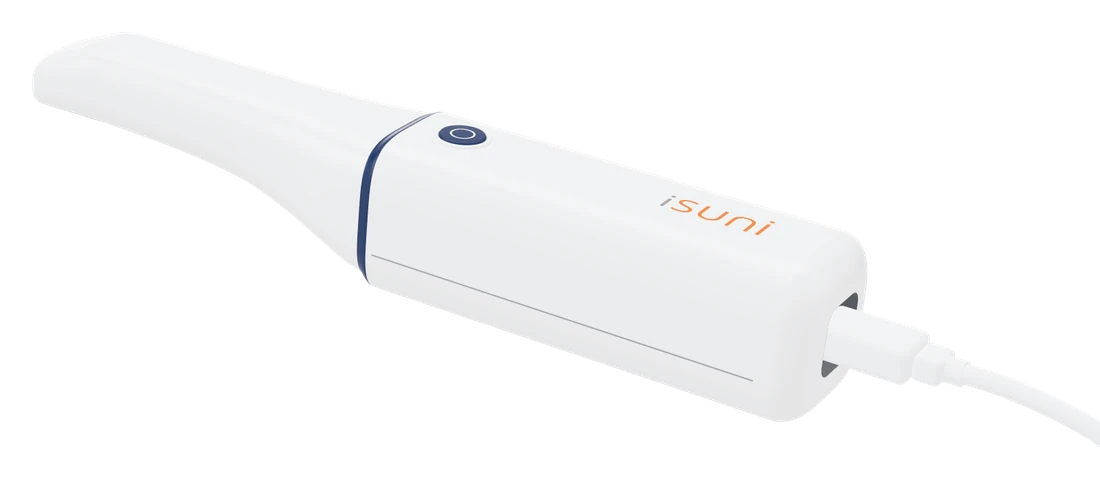
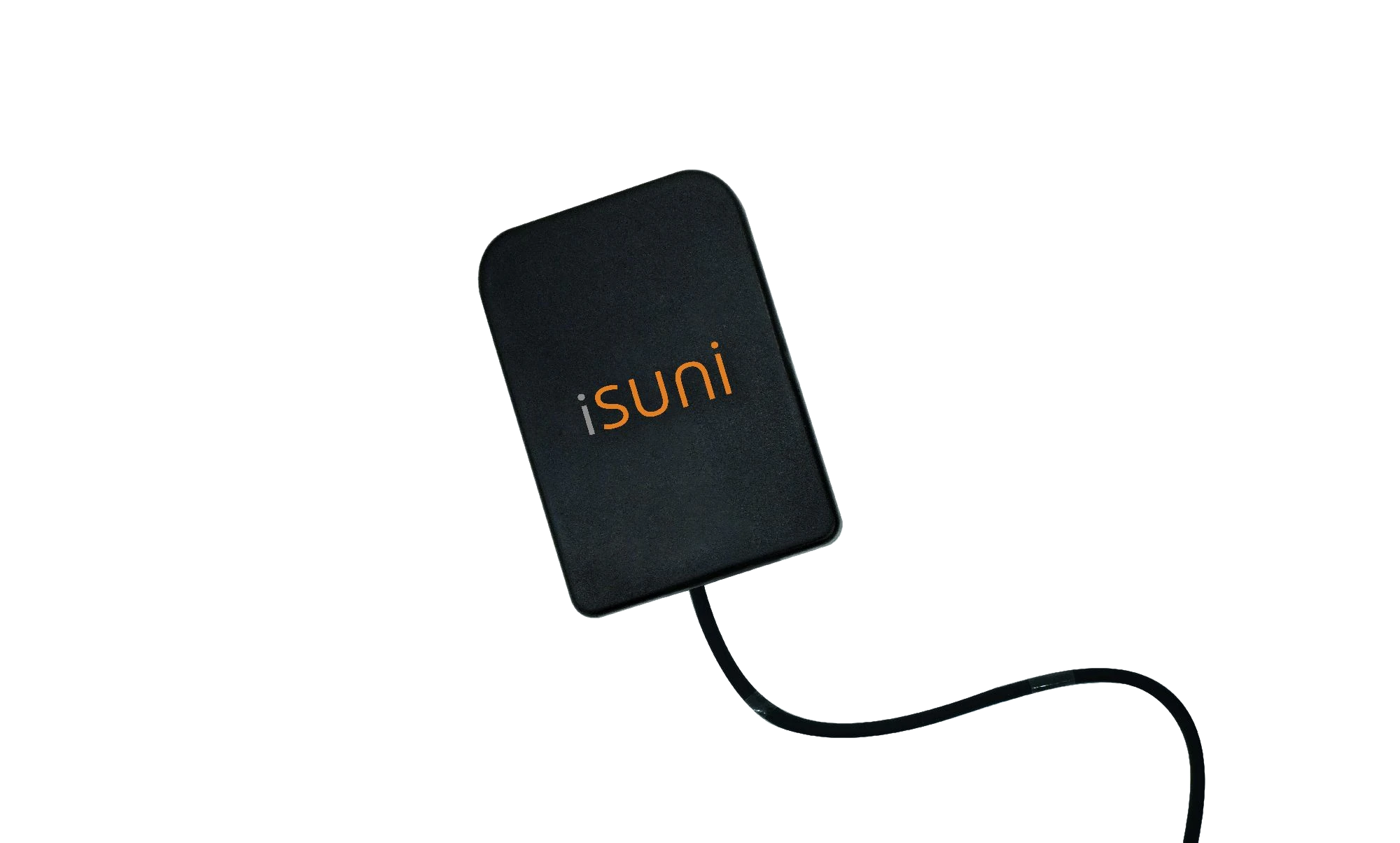
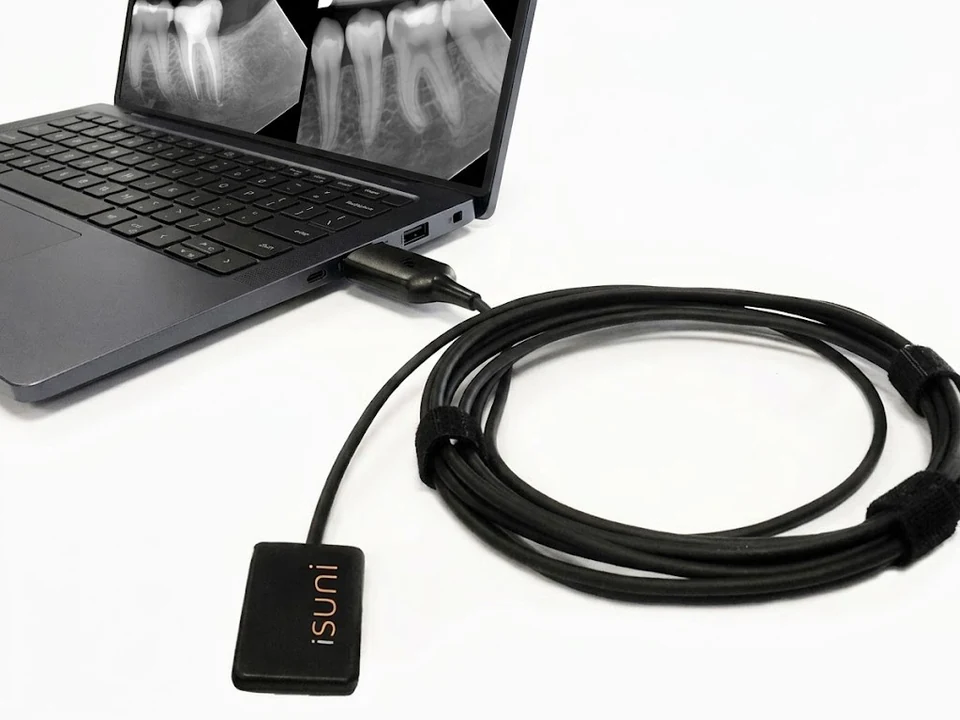
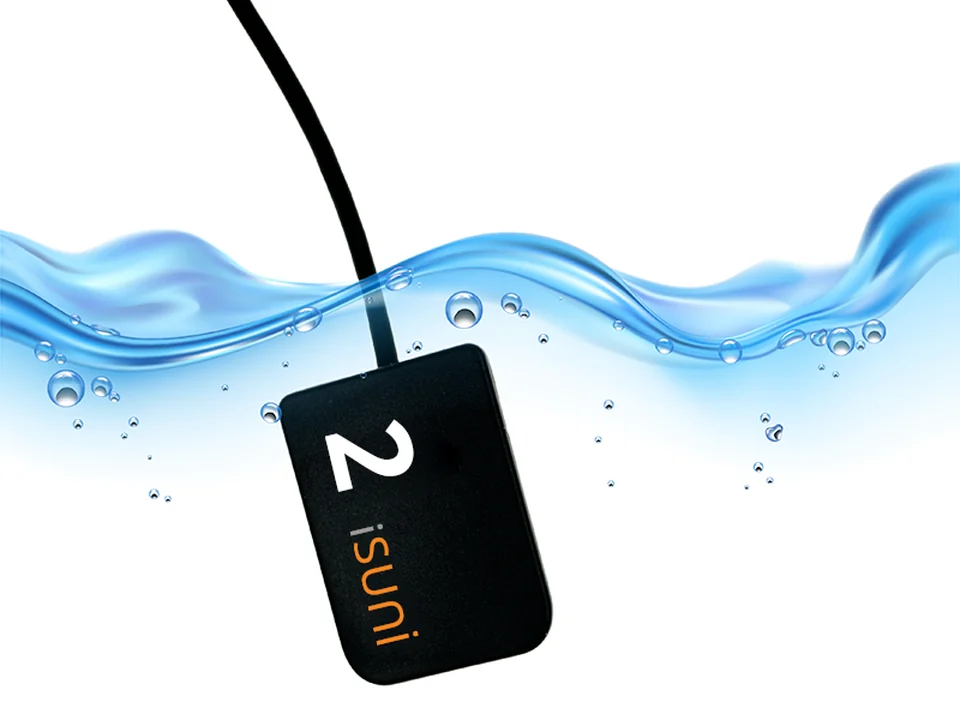
The iSuni sensor is built for this: a 3 m reinforced cable pull-tested to 100 N, a head and cable sealed to IP67, and electronics inside the USB plug, with no box along the cable to snag. Read the full sensor care instructions.
Signs a sensor needs attention
- Images that drop out or arrive partly blank.
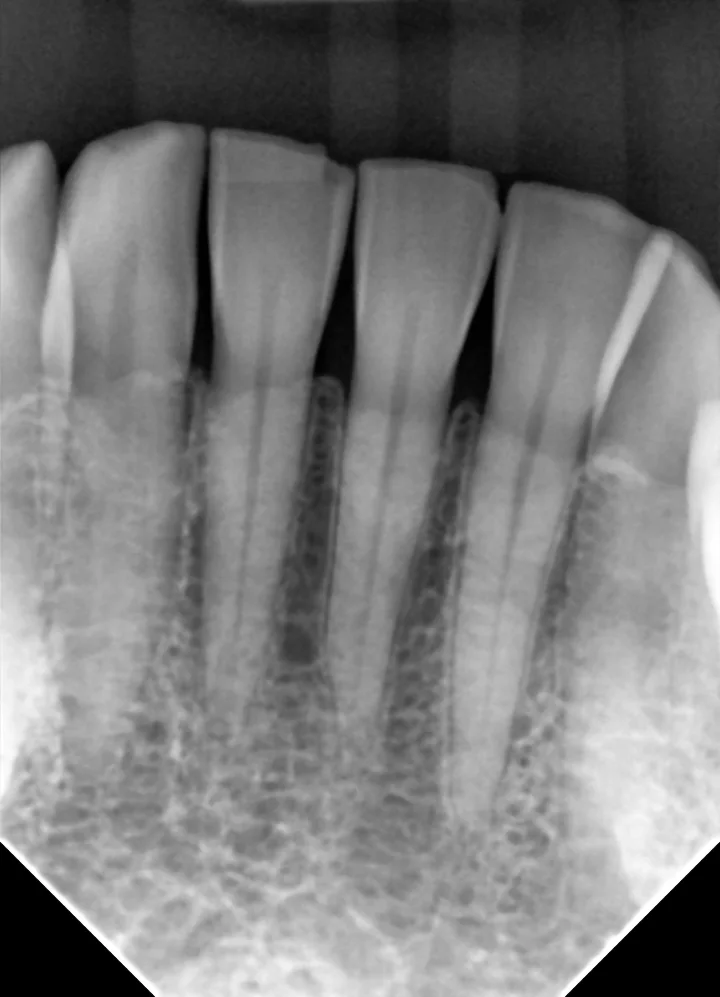
- New lines, spots or noise in images.
- “USB device not recognized” or the sensor disconnecting when the cable moves.
Contact support at the first sign, before a fault becomes a failure.
What a warranty should cover
A sensor warranty should cover defects in the sensor, cable and plug under normal use. iSuni sensors are covered for 24 months, starting when the 14-day window after installation ends; liquid damage to the USB plug is not covered, which is why keeping it dry matters. See the warranty terms.