In short: compare measured resolution and the scintillator, confirm your imaging software and version, check the cable and sealing, and ask what the warranty, installation and trial period include. Price follows from those, not the other way round.
1. Image quality: read resolution carefully
Sensor resolution is quoted in line pairs per millimetre (lp/mm). There are two numbers, and they are often mixed up:
- Theoretical resolution follows from the pixel size. A 20 µm pixel can at most resolve 25 lp/mm.
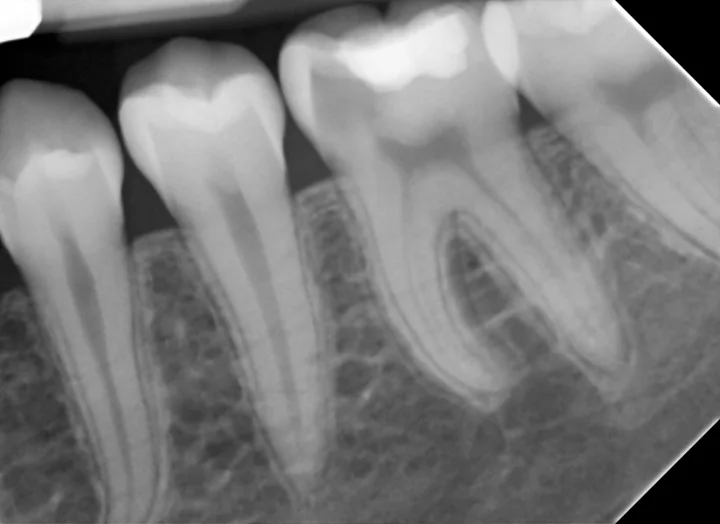
- Measured resolution is what the sensor actually resolves on a test pattern, after the scintillator and optics. It is always lower, and it is the number that shows in your images.
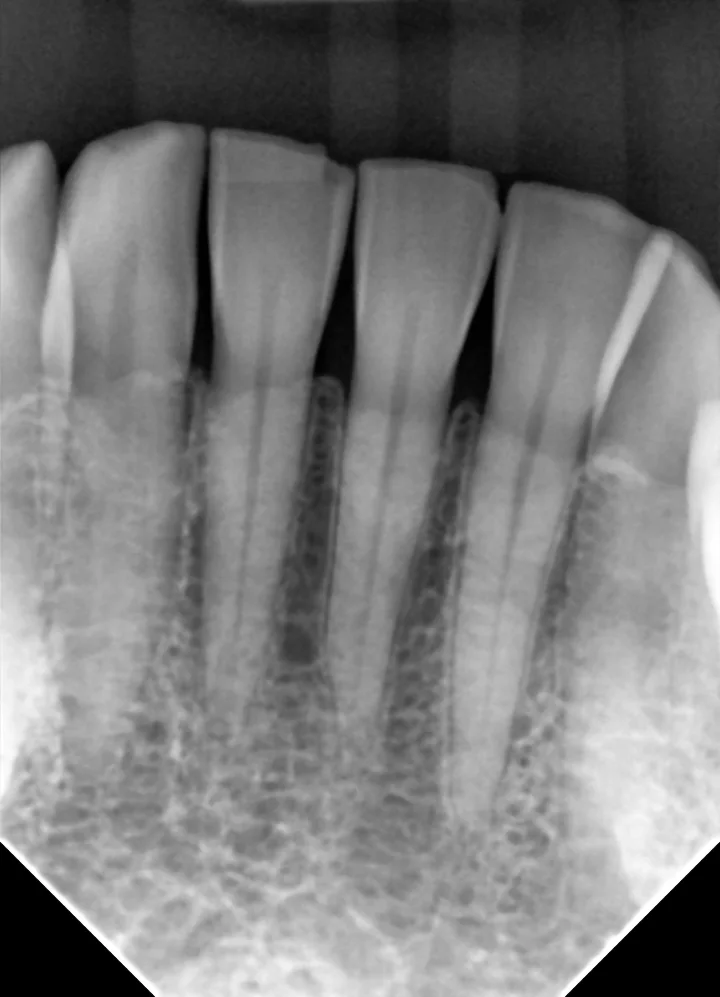
The iSuni sensor has 20 µm pixels and resolves 20 lp/mm measured (25 lp/mm theoretical). When you compare sensors, ask for the measured figure.
The scintillator
The scintillator turns X-rays into light for the detector. Caesium iodide (CsI) grows in fine columns that guide the light straight down, which keeps edges sharp. iSuni sensors use a CsI scintillator deposited directly on the CMOS detector.
Grey levels and processing
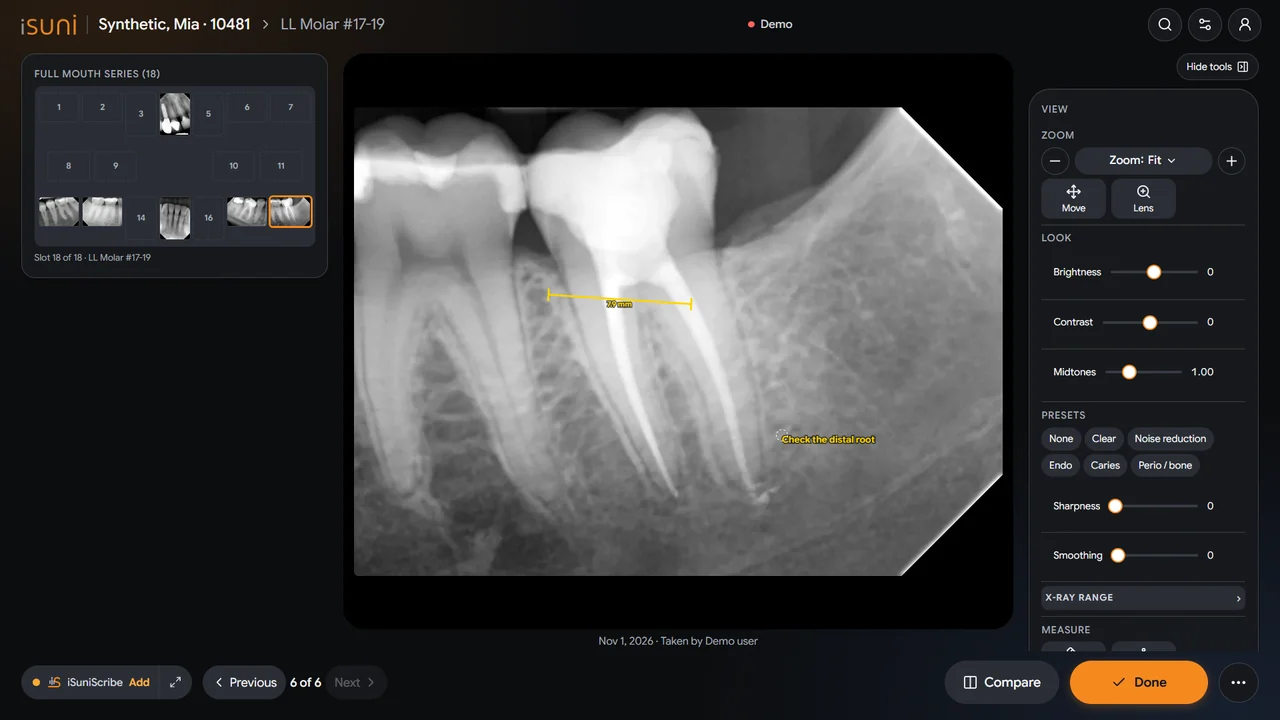
A 16-bit sensor records 65,536 grey levels, which leaves room to bring out bone and root detail without banding. The iSuni driver applies SuniVision™ imaging presets tuned for each sensor size; you can compare them on real X-rays.
2. Your imaging software
Most clinics keep their practice and imaging software. Check that the sensor appears as a source in the program you use, and in the version you run. The iSuni sensor integrates directly with the closed imaging systems DEXIS 9, DEXIS 10, Carestream Dental (Kodak), Sidexis 4 and Schick CDR DICOM, and works through TWAIN in Dentrix, Eaglesoft, Open Dental, Curve Dental, ClearDent, DentiMax, VixWin, ADSTRA, XDR and many more. See the full compatibility list, or ask us to check yours.
3. Durability and infection control
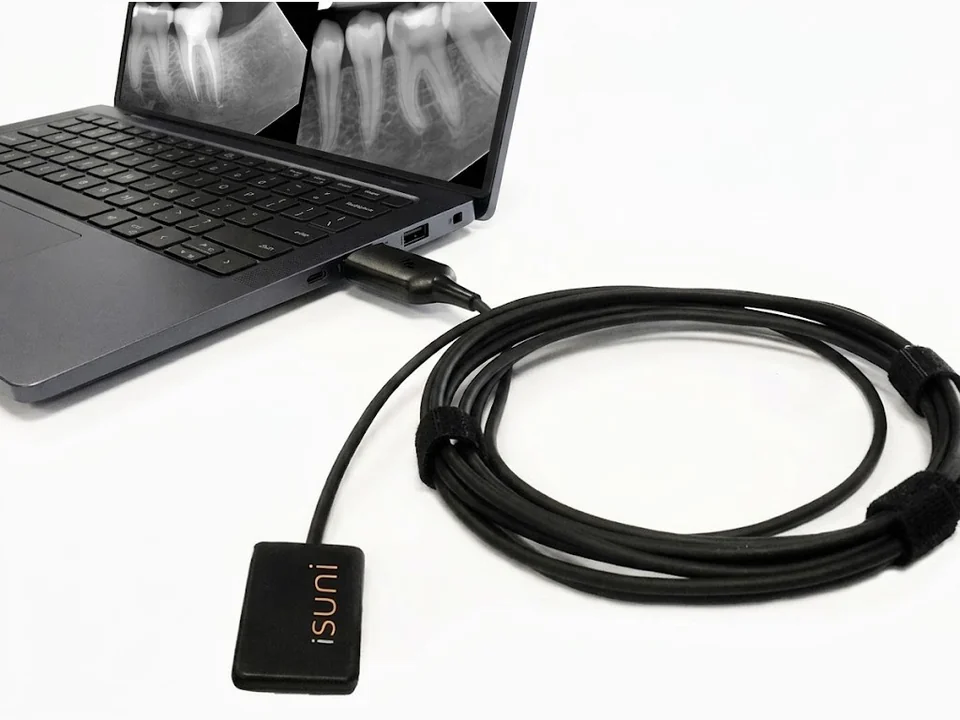
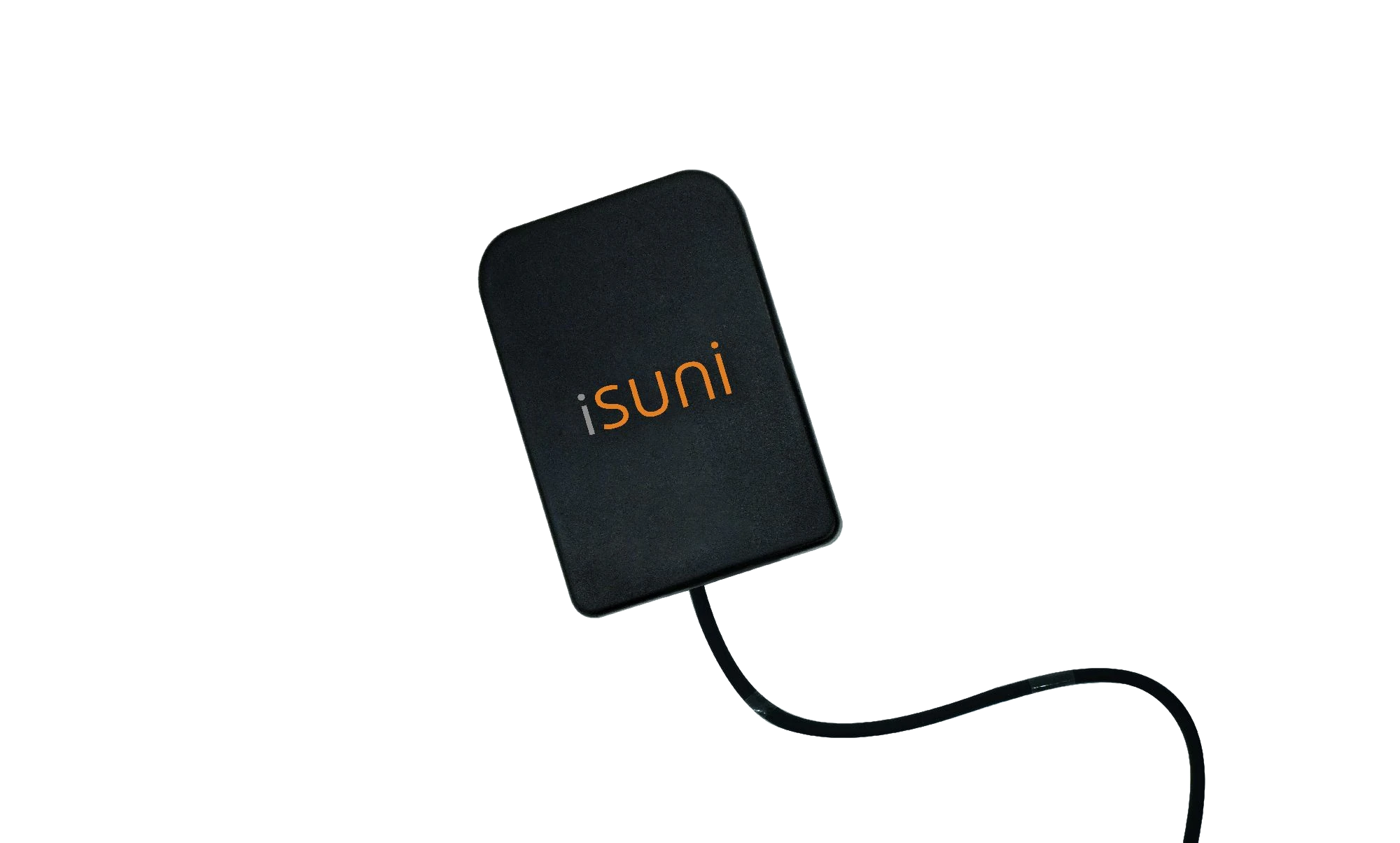
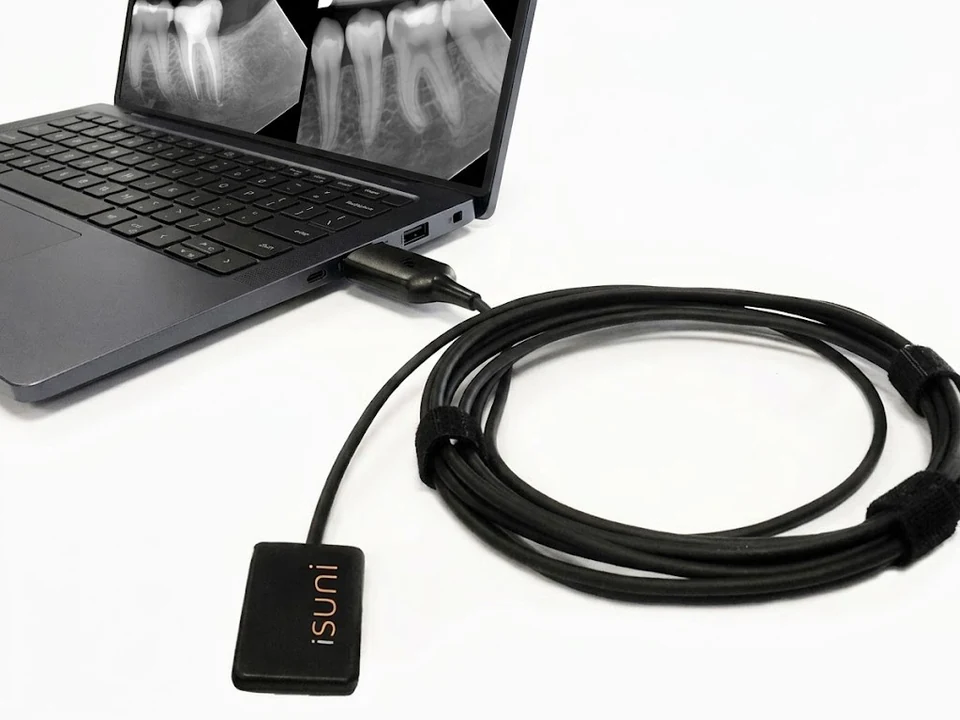
- Cable: most sensor repairs start at the cable. The iSuni cable is 3 m long, reinforced and pull-tested to 100 N.
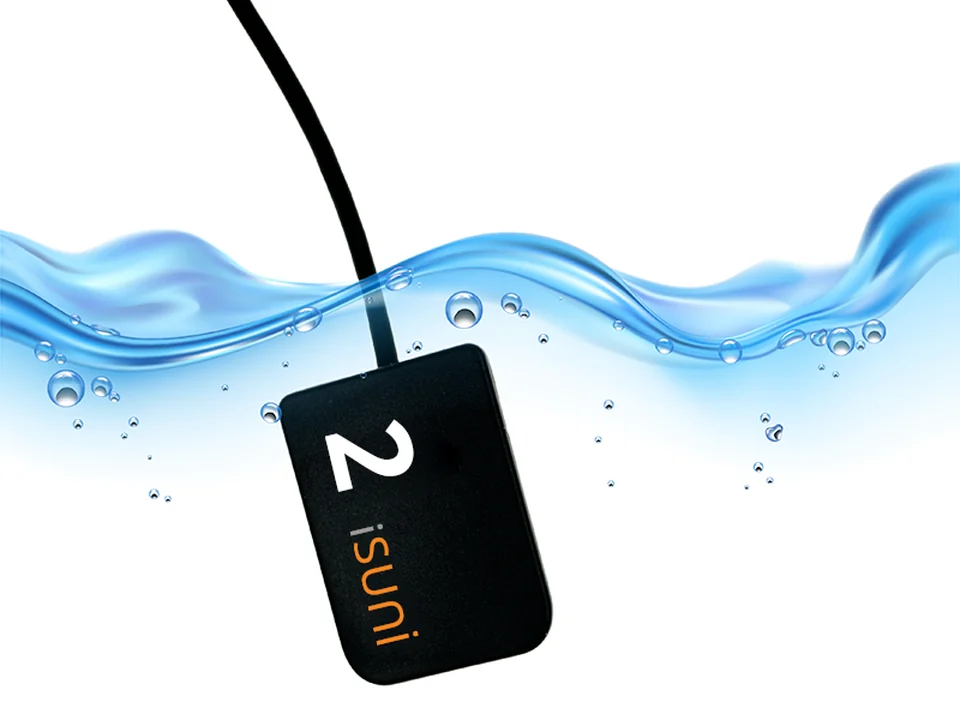
- Sealing: the iSuni sensor head and cable are sealed to IP67. Wipe them with 70% isopropyl alcohol between patients and use a new barrier sleeve for every patient.
- The USB plug: keep it dry. Disinfectant wipes on the plug are a common cause of failures; see sensor care.
- Never soak, autoclave or heat-sterilize any intraoral sensor unless its maker says you may.
4. Fit and comfort
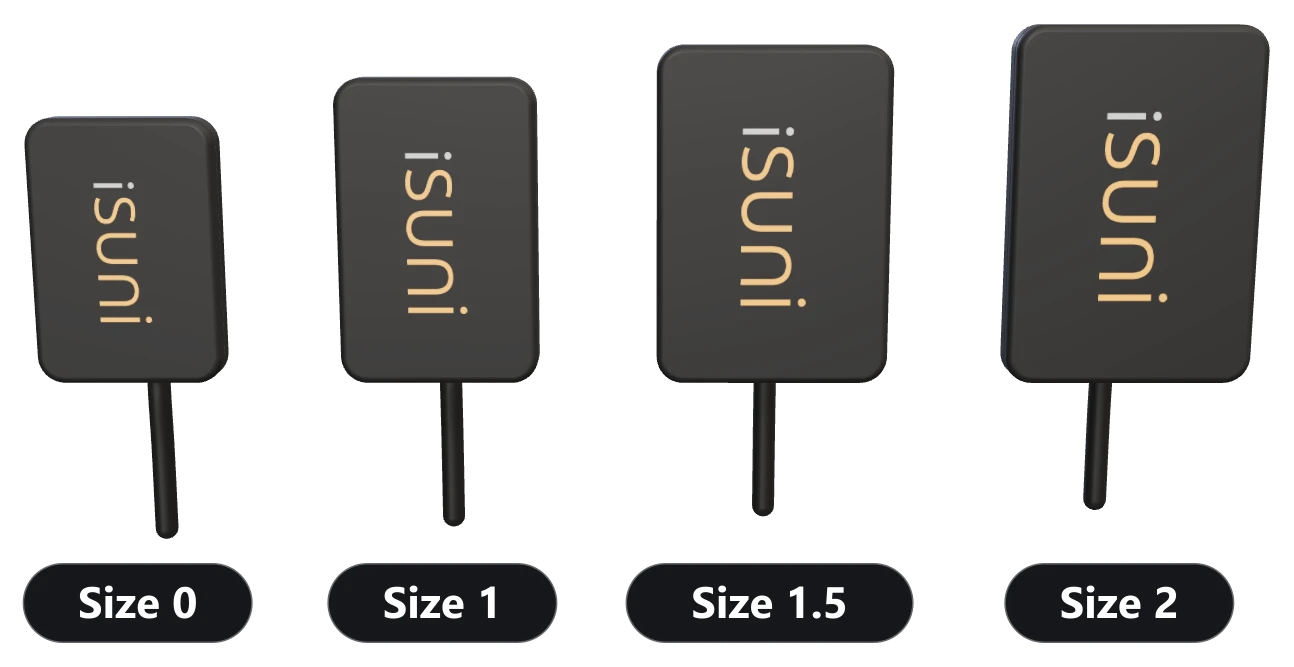
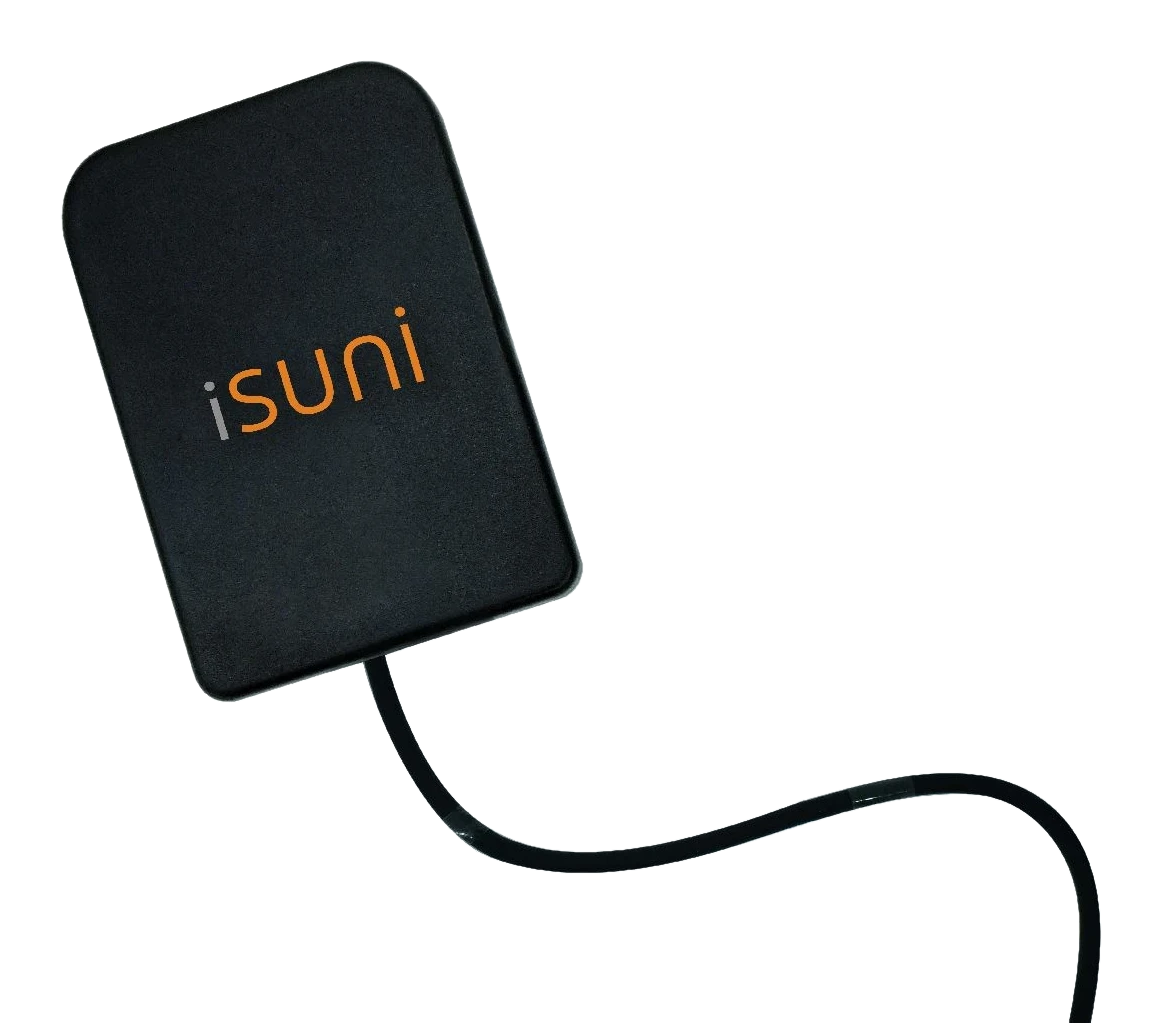
Thickness, corner shape and where the cable leaves the housing decide how well patients tolerate a sensor. iSuni sensors are 4.5 mm thin with chamfered, rounded edges, in sizes 0, 1, 1.5 and 2. Not sure which sizes you need? Read how to choose a sensor size.
5. Warranty, installation and a trial period
- Warranty: ask how long and what it excludes. iSuni sensors are covered for 24 months.
- Installation: ask who sets it up and what it costs. With iSuni, you can set it up yourself, and each qualifying purchase includes one free remote installation session: a trained iSuni technician installs the sensor on up to six computers and makes sure it works with everything your clinic needs.
- Trial: ask whether you can return it. iSuni sensors have a 14-day money-back guarantee, so you can use one on your own patients before you decide.
A quick checklist
- Measured resolution, not only theoretical.
- CsI scintillator and 16-bit images.
- Works in your imaging program and version.
- Reinforced cable, sealed head and cable, clear cleaning instructions.
- The sizes your patients need.
- Warranty length, included installation and a trial period.
Premium image quality, without the premium price.
iSuni has supplied digital imaging to Canadian dental clinics since 2023. Our sensors pair a CsI scintillator and 20 lp/mm measured resolution with easy self-installation or a free remote installation session, a 24-month warranty and 14 days to try them in your clinic.