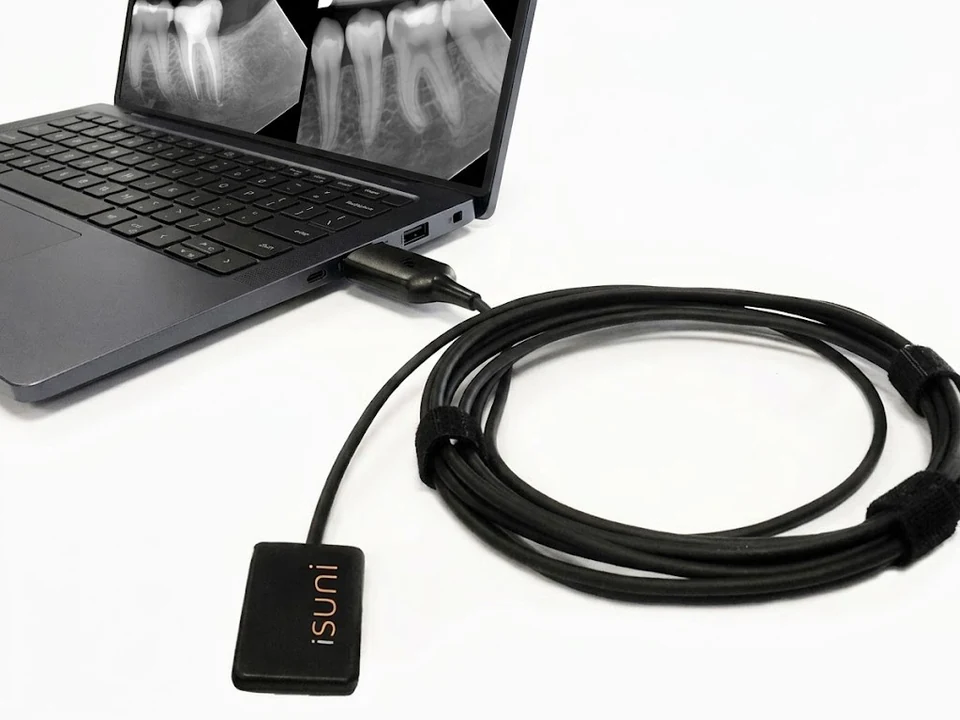
In short: a direct digital sensor puts the image on screen in seconds and keeps the same quality for years. Phosphor plates are thin and flexible but add a scanning step, wear out and need replacing. For most busy practices, a sensor saves chair time every day.
How each one works
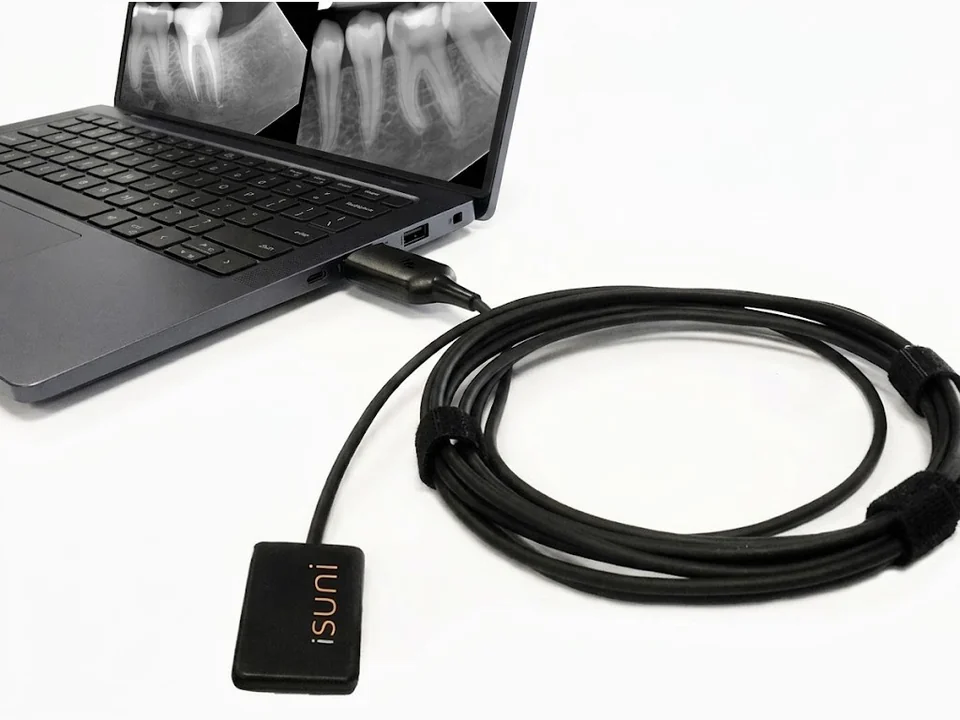
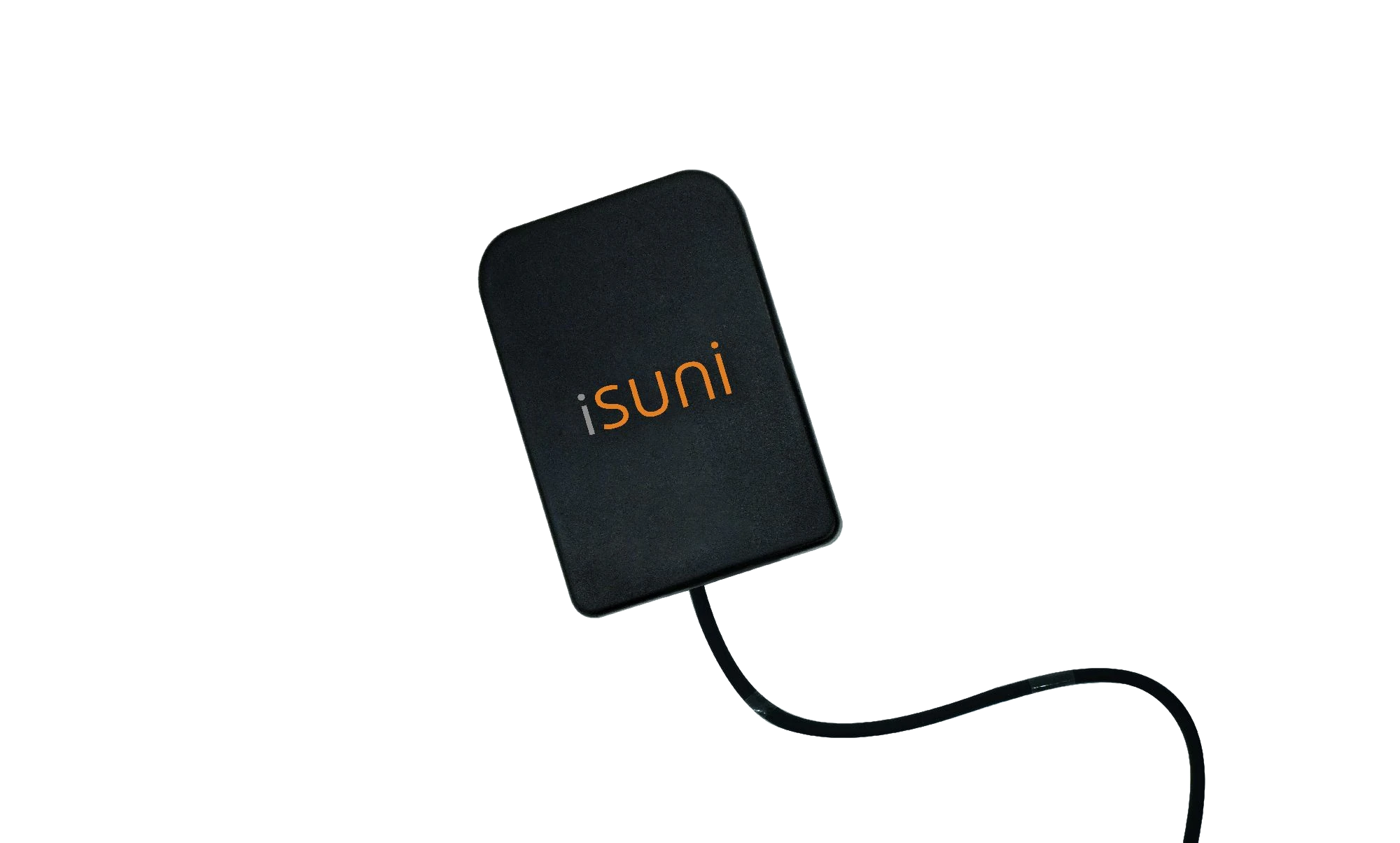
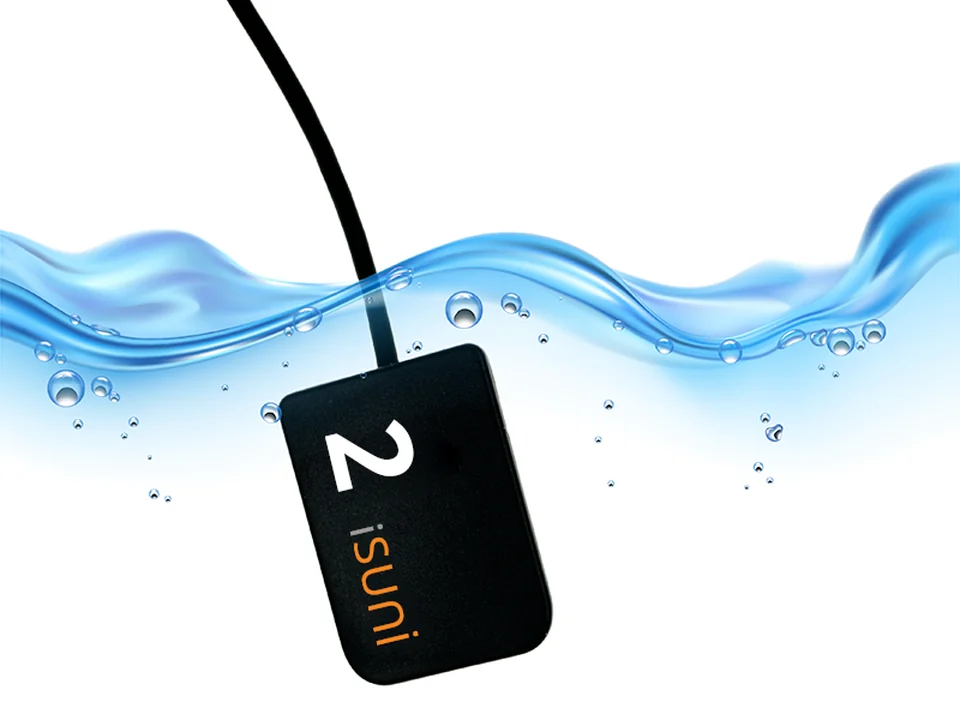
A direct digital sensor converts X-rays to an image as soon as you expose. It is connected to the computer by USB, and the image appears in your imaging software within seconds.
Phosphor storage plates (PSP) store the exposure as a latent image. After the exposure the plate is taken out of the mouth, unwrapped and fed through a scanner, which reads it and erases it for reuse.
Side by side
| Digital sensor | Phosphor plates | |
|---|---|---|
| Time to image | Seconds, chairside | After unwrapping and scanning |
| Retakes | Seen at once, patient still positioned | Found after scanning, patient repositioned |
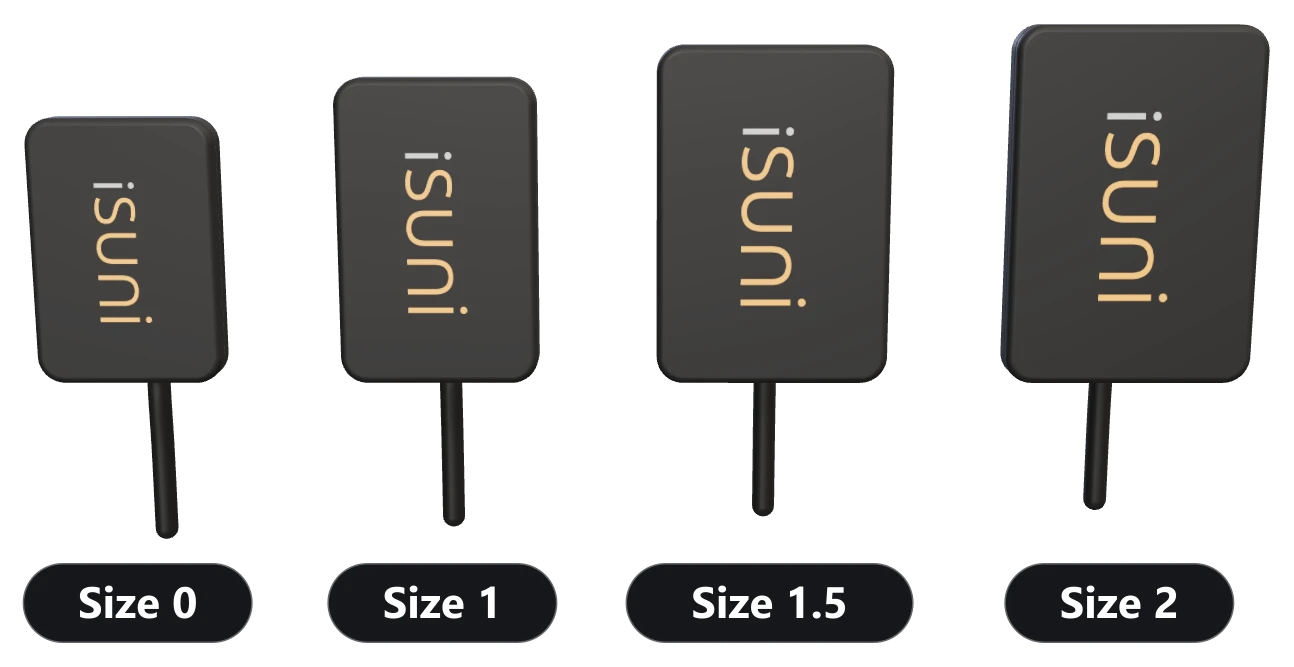
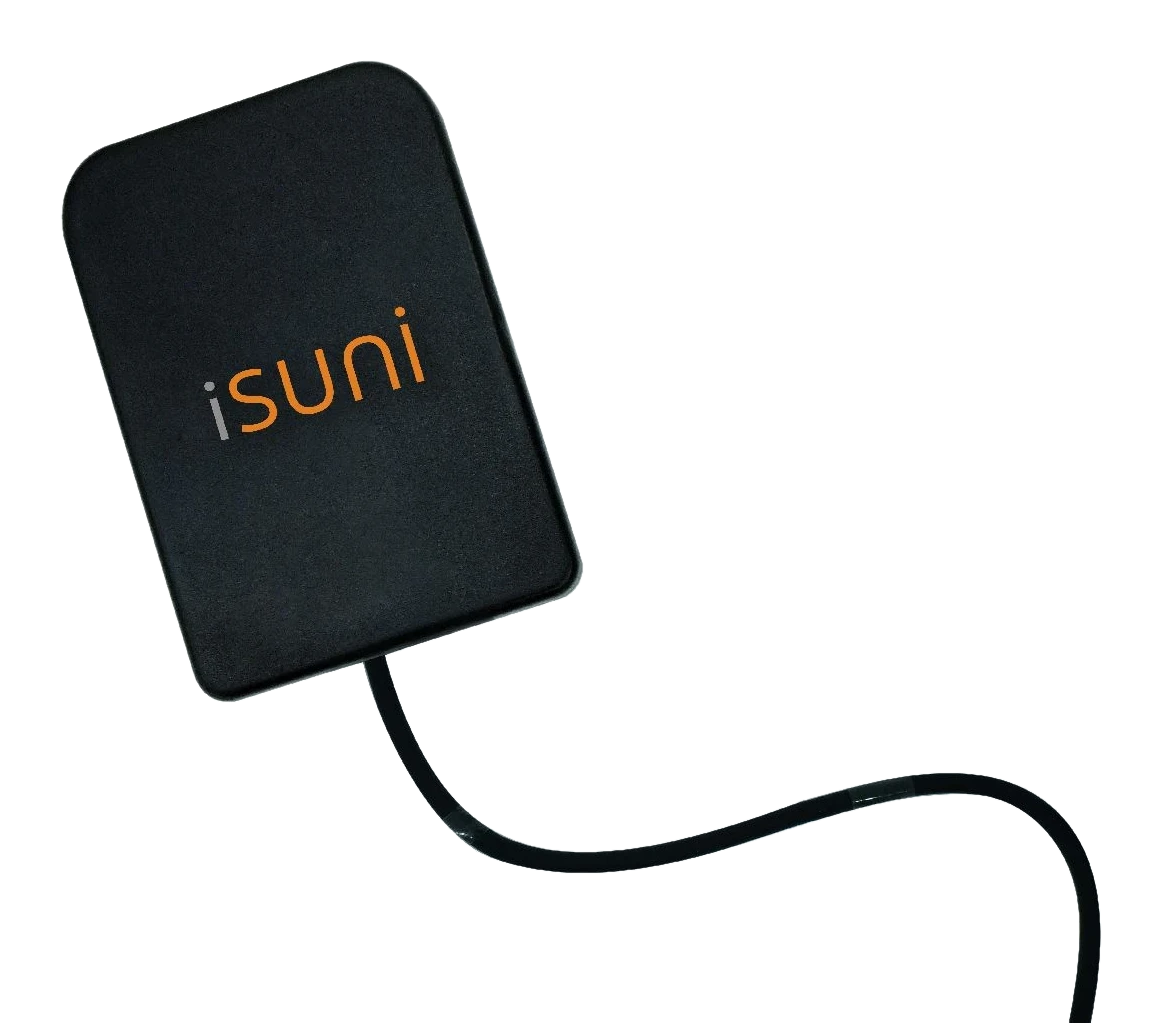
| Thickness | Rigid; iSuni sensors are 4.5 mm | Thin and flexible |
| Image consistency | Same quality for the life of the sensor | Drops as plates scratch and wear |
| Handling | Wipe, new barrier sleeve per patient | Barrier envelope, protect from light until scanned |
| Ongoing cost | Little beyond sleeves; covered by warranty | Replacement plates and scanner upkeep |
| Up-front cost | Higher per sensor | Lower per plate, plus the scanner |
Where a sensor wins
- Endodontics and implants, where you take several images in a row and want each one before the next.
- Busy hygiene schedules, where the scanning step adds up across the day.
- Consistency, because there is no plate wear and no light exposure before scanning to degrade images.
Where plates still appeal
Plates are thinner and flexible, which some patients find more comfortable, and they are cheap to add for an extra room. A thin sensor with rounded corners narrows the comfort gap, and a sensor shared between operatories can cover several rooms.
Switching from plates to a sensor
You usually keep your imaging software. The iSuni sensor works through TWAIN in Dentrix, Eaglesoft, Open Dental, DEXIS and most other programs, and existing images stay where they are. You can install the driver yourself or in a free remote session with a trained iSuni technician (up to six computers), and you have 14 days to decide with a money-back guarantee. Check your program on the compatibility page.
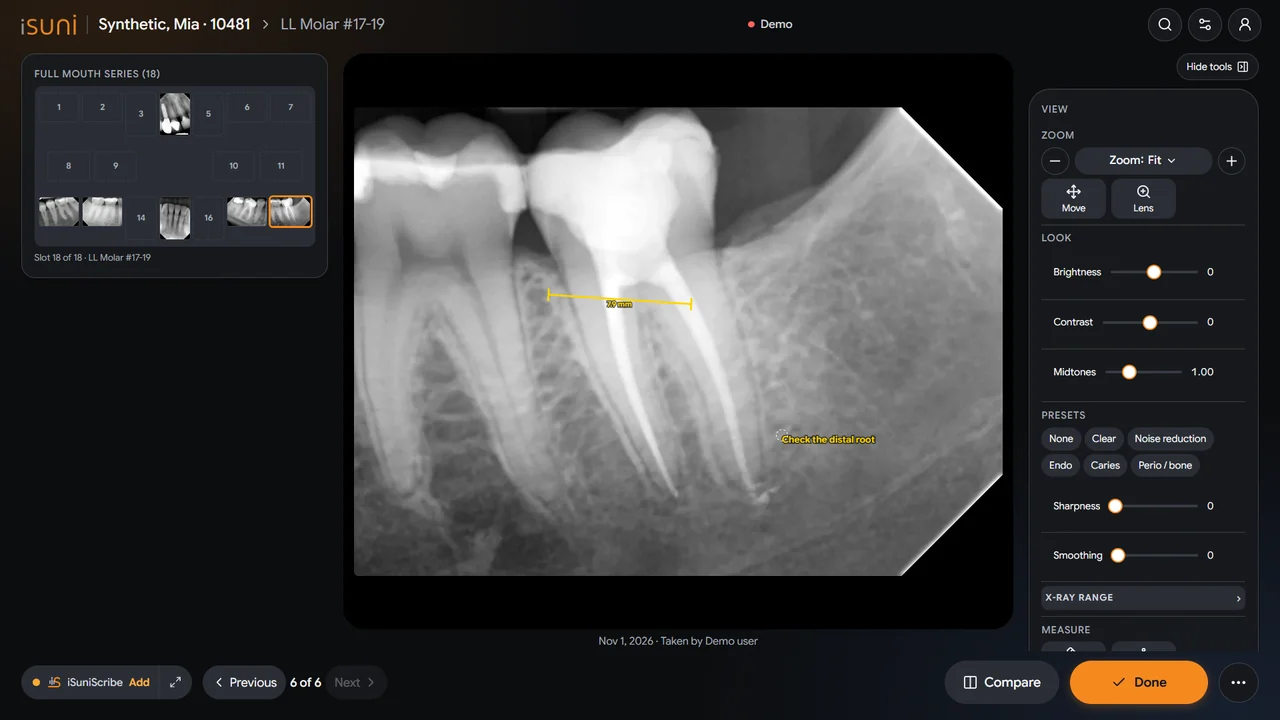
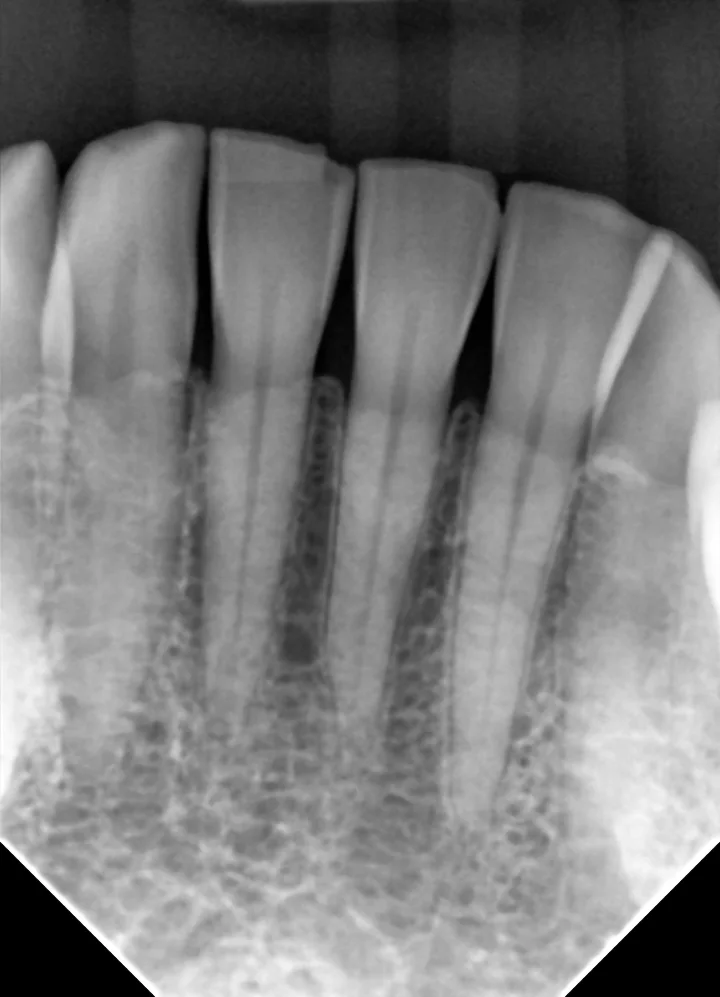
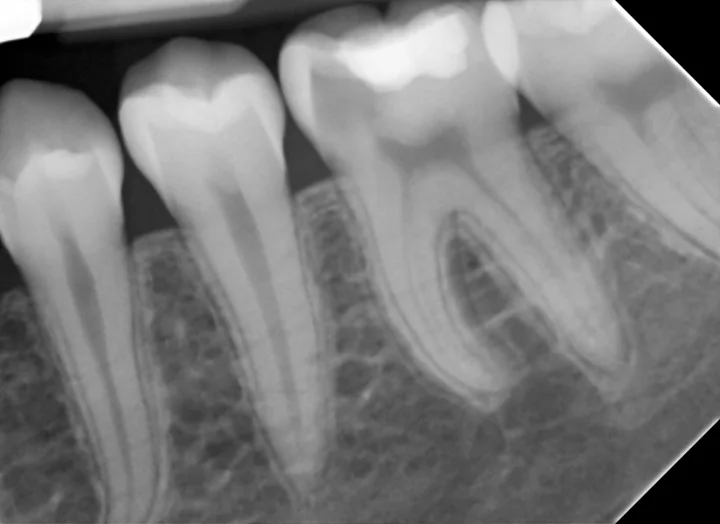
See the difference on real X-rays.
The SuniVision™ Studio shows periapical images from iSuni sensors with each imaging preset. Or ask for a quote and try a sensor in your clinic for 14 days.